

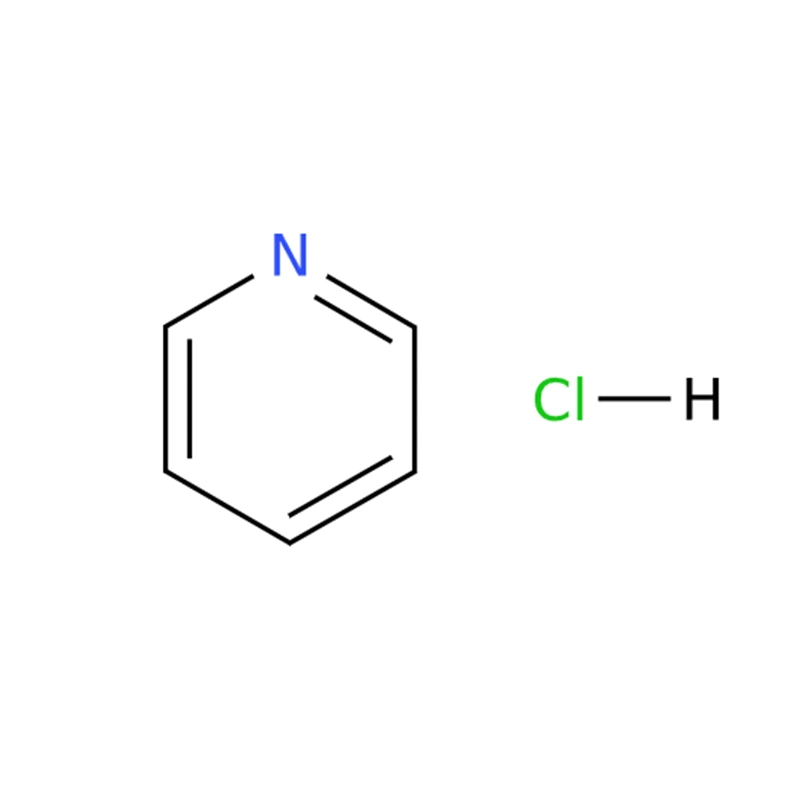
Product Description of Pyridine Hydrochloride CAS#628-13-7
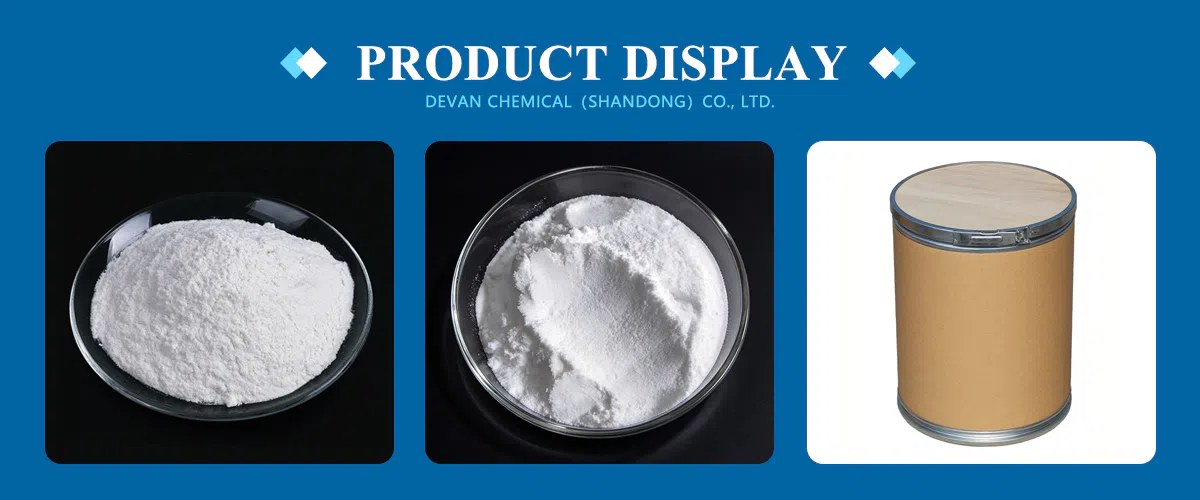
Pyridine hydrochloride is the hydrochloric-acid salt of pyridine, a six-membered nitrogen-containing heterocyclic molecule. Structurally, pyridine can be described as a benzene analogue where one ring-CH unit is substituted with a nitrogen atom. Unlike free pyridine, this salt generally exists as a white to tan crystalline solid at room temperature. It possesses good water solubility and can also dissolve in certain polar organic solvents. The protonated nitrogen site changes its chemical reactivity compared with neutral pyridine, making it a convenient solid-form source of pyridine for organic reactions.
Pyridine Hydrochloride Chemical Properties
| Melting point | 145-147 °C(lit.) |
| Boiling point | 222-224 °C(lit.) |
| density | 1.1182 (rough estimate) |
| refractive index | 1.5304 (estimate) |
| Fp | 222-224°C |
| storage temp. | Inert atmosphere,Room Temperature |
| solubility | ethanol: soluble50mg/mL, clear, colorless to light yellow |
| form | Crystals |
| color | White to tan |
| Water Solubility | 85 g/100 mL |
| Sensitive | Hygroscopic |
| BRN | 3615340 |
| Stability: | Hygroscopic |
| InChIKey | AOJFQRQNPXYVLM-UHFFFAOYSA-N |
| CAS DataBase Reference | 628-13-7(CAS DataBase Reference) |
| EPA Substance Registry System | Pyridine hydrochloride (628-13-7) |
| Hazard Codes | Xn,Xi |
| Risk Statements | 20/21/22-36/37/38-22 |
| Safety Statements | 26-36-37/39 |
| WGK Germany | 3 |
| RTECS | UT4375000 |
| F | 46091 |
| TSCA | Yes |
| HS Code | 29333100 |

Product Application of Pyridine Hydrochloride CAS#628-13-7
Pyridine hydrochloride is a commonly used pyridine-derived reagent and acid-binding intermediate in organic synthesis. It can serve as a mild acidic catalyst and proton donor for cyclization, rearrangement and deprotection reactions, avoiding the inconvenience of liquid free pyridine during operation.
In pharmaceutical manufacturing, it participates in the synthesis of multiple heterocyclic drug molecules, anti-infective agents and API intermediates. It serves as one of the important raw materials for the production of Methylerythromycin
This compound also works as an effective acid-binding agent and phase-transfer auxiliary in fine-chemical processes. Besides, it has practical value in dye synthesis, analytical chemistry and laboratory sample pretreatment. Compared with pyridine liquid, its solid form features easier weighing and feeding, which improves operational safety and process stability for pilot and industrial-scale production.